Key Takeaways
Materials determine a lighting fixture’s appearance, optical effects, structural strength, manufacturability, cost, and maintenance costs. Metals are suitable for load-bearing and high-end surfaces; resins are suitable for complex shapes and soft light; acrylic and glass strike a balance between light transmission and safety; natural stone offers a unique texture but is heavier and more expensive; composite materials offer the optimal balance between functionality and aesthetics. This article provides technical advice, material selection decision-making processes, common pitfalls, and procurement checklists for B2B projects, helping you make actionable and cost-effective decisions during the bidding, specification, and sample approval stages.
1. Why material matters for B-to-B lighting projects
For project buyers—hotels, developers, architects, hospitality brands—the material choice is not a decorative afterthought. It affects:
- Durability & lifespan (corrosion resistance, wear, UV stability)
- Light quality (diffusion, glare, color rendering interactions)
- Manufacturing feasibility & lead time (molding, CNC, casting, finishing)
- Weight & installation (structural supports, shipping)
- Maintenance and lifecycle costs (cleaning, finish rework, component replacement)
- Regulatory & safety compliance (fire rating, IP, RoHS, CE/UL considerations)
2. Deep dive — common materials, their pros/cons and real-world tradeoffs
Each section below will provide: typical application scenarios, key engineering parameters, common surface treatments/processes, risk points, and procurement recommendations to facilitate your company’s procurement decisions.
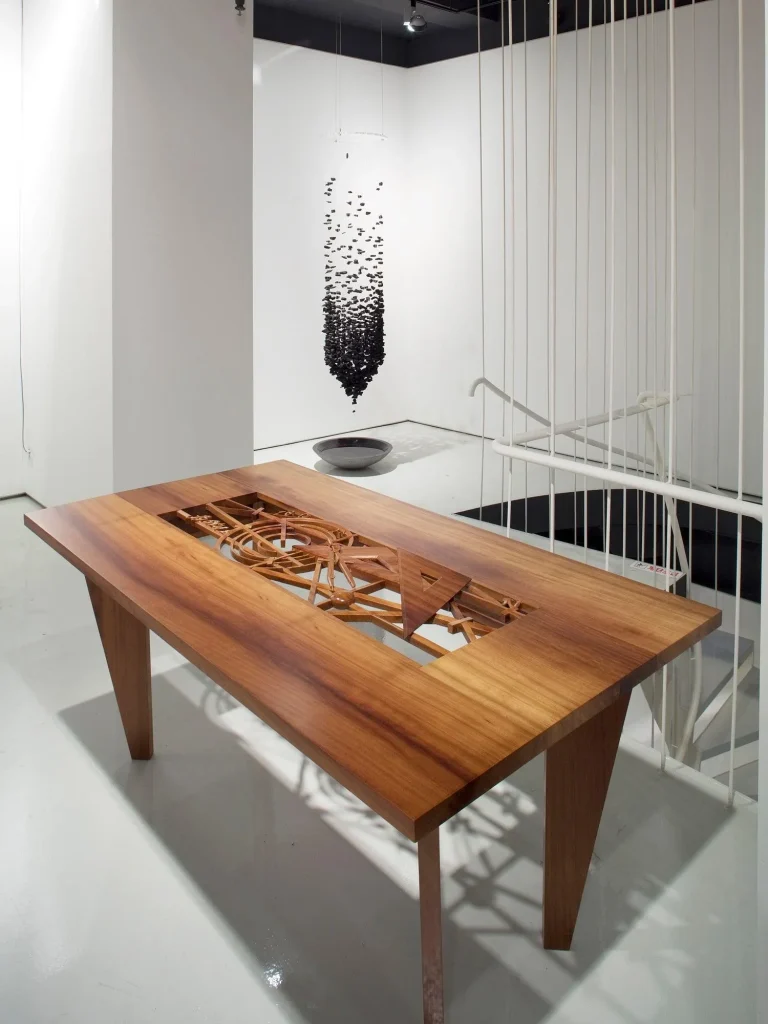
2.1 Metals — brass, aluminum, stainless steel, steel
Why use metal: strength, thin-profile sections, premium finishing options (PVD, electroplating, powder coat, anodizing).
Typical specs to specify:
- Material grade (e.g., 304/316 stainless, C360 brass, 6061/6063 aluminum)
- Thickness/tolerance (sheet metal 0.8–3.0 mm typical, cast parts specify ±0.5–1.0 mm depending on size)
- Corrosion treatment (passivation for stainless, clear coat over brass)
- Surface finish spec (Ra for brushed, color code for powder coat, film thickness for plating)
Pros: Premium look, structural integrity, long life.
Cons: Generally more expensive than plastic/acrylic; electroplating color difference and scratch resistance need to be controlled.
Risk & Procurement Tips:
- Specify the metal grade and surface treatment process, and clearly list the acceptance criteria (color difference Delta E, adhesion test, salt spray hours).
- For outdoor/seaside projects, prioritize 316 stainless steel or steel with anti-corrosion treatment.
- For large chandeliers or cantilever components, provide static and dynamic load safety factor calculations (SLS/ULC requirements).
2.2 Resin(PU / epoxy) — for sculptural freedom
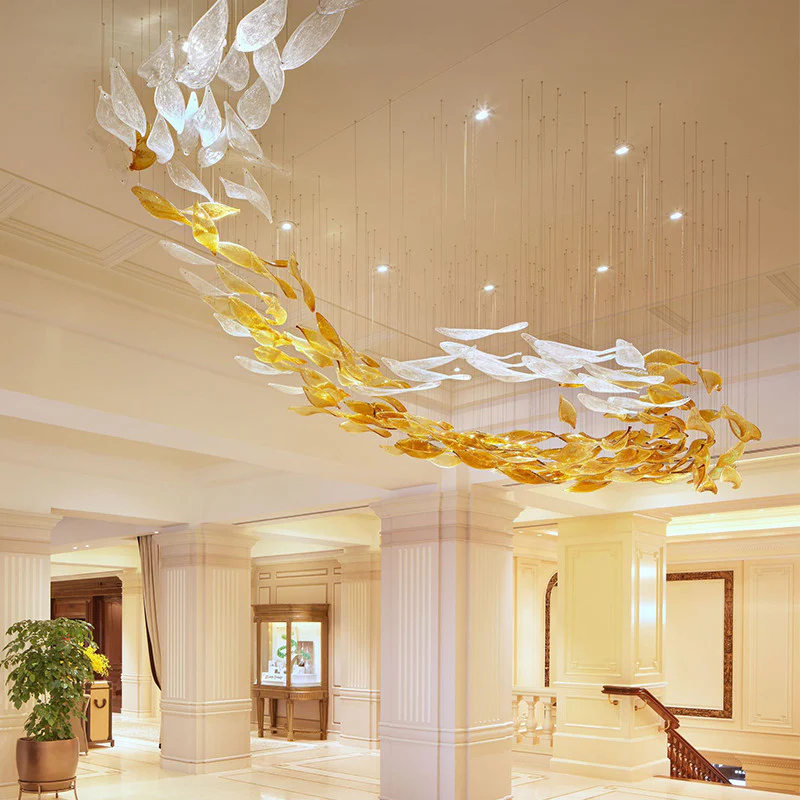
Why use resin: excellent for organic, hollow or solid sculptural parts; allows embedded textures, integrated diffusers, lower-cost molds for low-to-mid volume.
Key technical points:
- Resin type (polyurethane, epoxy, polyester) — each has different weather resistance and thermal stability.
- Optical transmittance (%), yellowing index (UV aging), and hardness (Shore A/D) must be clearly specified in the sample annotations.
- Mold life: Silicone molds vs. rigid molds differ significantly, with a noticeable impact on cost and production capacity.
Pros: High shape freedom, warm light diffusion, lightweight.
Cons: Thermal expansion, yellowing, and weather resistance are risk points for long-term projects; large parts are prone to warping or bubbling.
Procurement tips:
- Require a UV stabilizer or external protective coating to reduce yellowing (especially outdoors or in strong light environments).
- Perform accelerated aging tests (UV, temperature cycling) during the sample stage and record the Δ color difference.
- Evaluate mold costs for large-volume parts and determine the breakeven point for unit cost as quantity changes.
2.3 Acrylic (PMMA) vs Glass
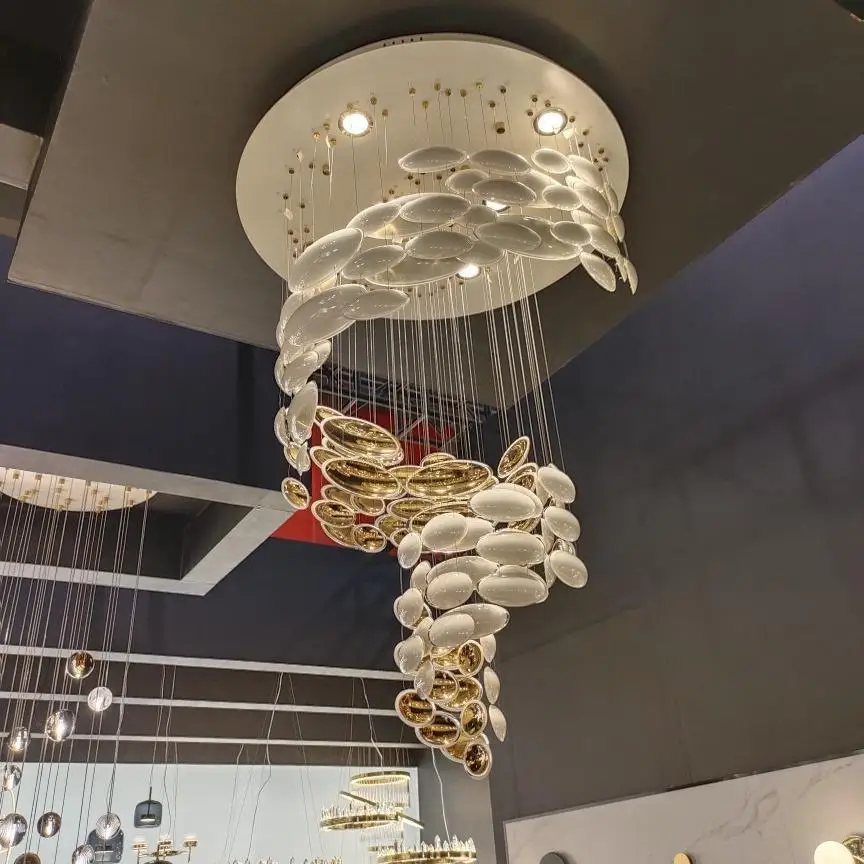
Acrylic (PMMA)
Pros: Impact resistant, lightweight, easy thermoforming, uniform diffusion when frosted.
Cons: Scratches easier than glass, can yellow under UV light without stabilizer.
Glass
Pros: Premium finish, excellent scratch resistance, high-temperature stability.
Cons: Heavier, fragile (logistics & installation risk), higher tooling/processing cost.
Specs to include: diffuser thickness, haze percentage, transmission % (e.g., light transmittance ≥85%), fire resistance (flame retardant rating).
When to choose:
Interior public areas requiring a high-end visual appeal → Glass;
Large or safety-critical lampshades requiring sheet-like molding → Acrylic preferred.
2.4 Natural stone & marble
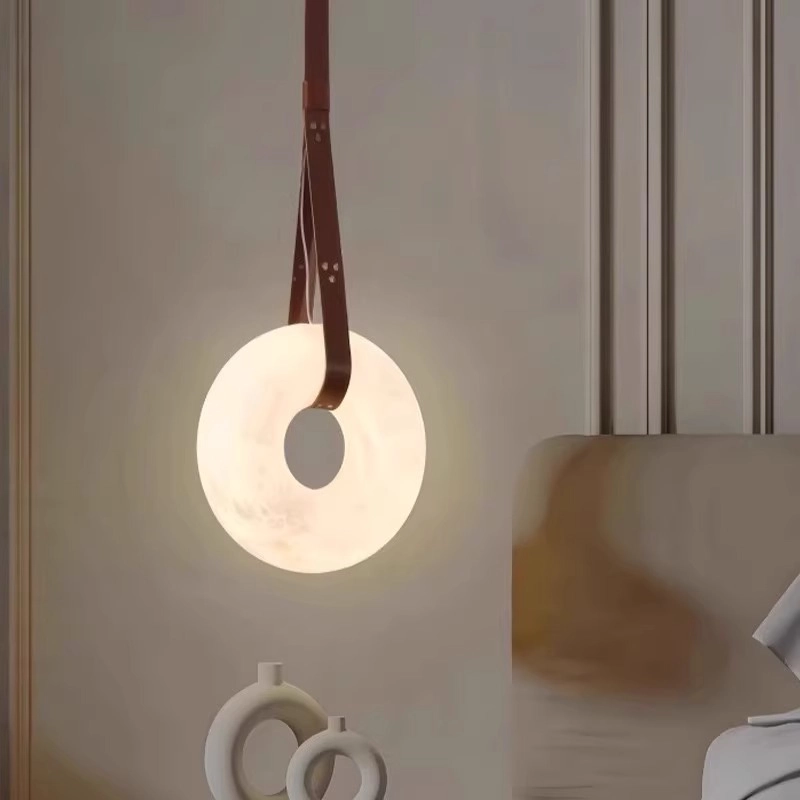
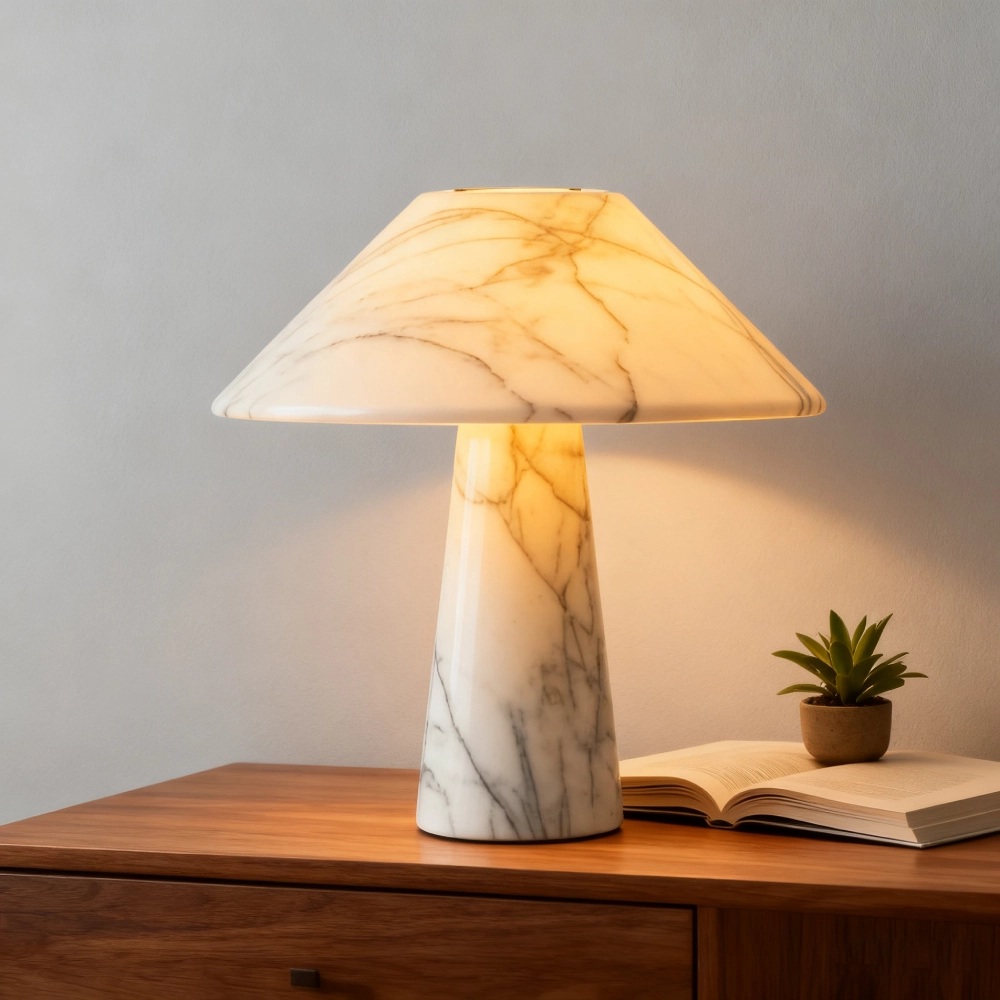
Why: Unique veins, high-end texture, suitable for boutique hotel lobbies or luxury home showrooms.
Tradeoffs: Heavy → Requires structural reinforcement and higher transportation costs; high processing costs and individual variations in color/imperfections.
Procurement tips: Specify acceptable texture grades, cross-sectional samples, and clearly define acceptable standards for cracks/joints and cutting yield. For onyx, conduct a translucency and thickness matching test.
2.5 Wood, textiles, leather
Why: Provides a sense of temperature and acoustic properties (reduces direct light reflection).
Note: Wood requires fireproofing and moisture-proofing treatment; textile lampshades must meet flammability standards (EN 1021, etc.) and cleaning and maintenance instructions.
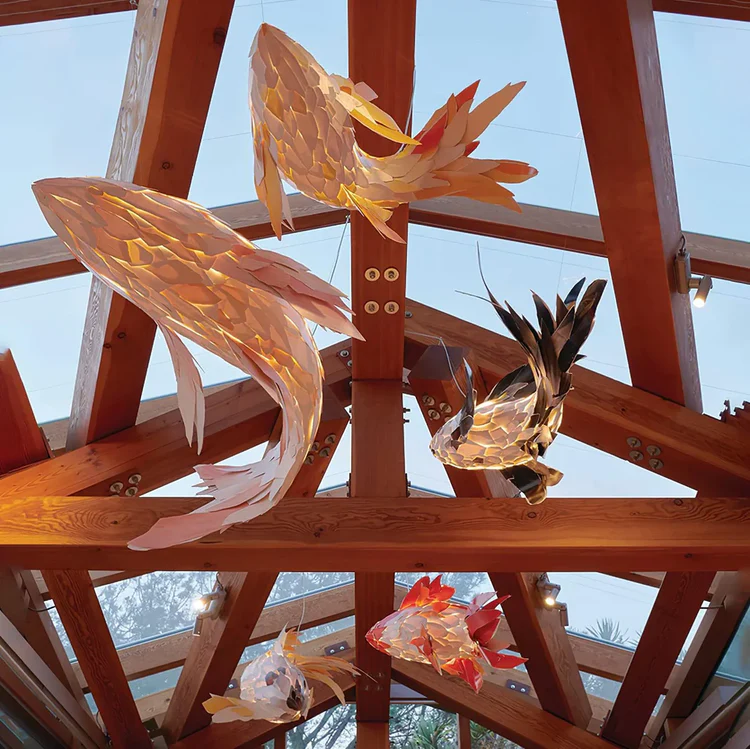
2.6 Mixed / composite approach
Composite Materials: A Common Strategy for Leveraging Strengths and Compensating for Weaknesses
Typical: Metal skeleton + resin sculpture + acrylic diffuser.
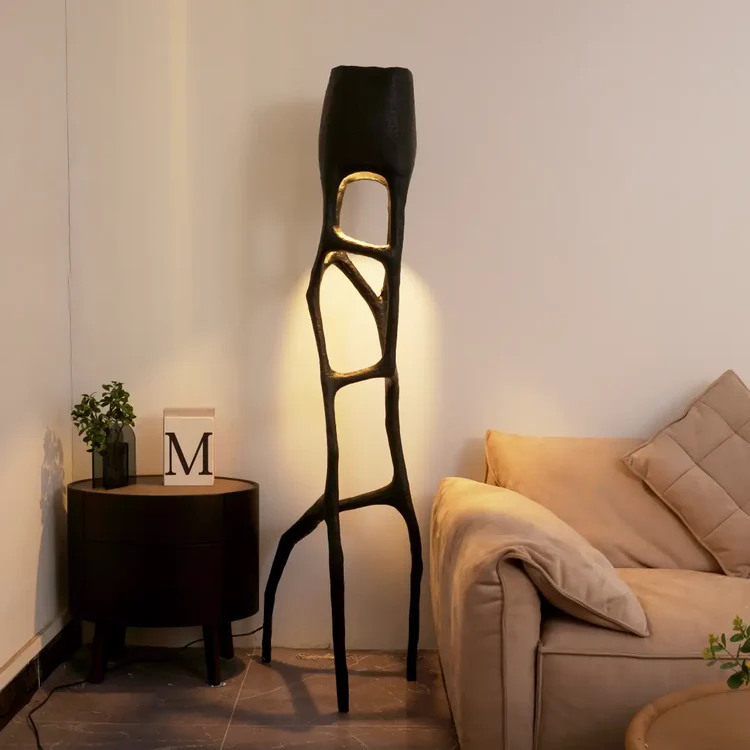
The advantage of composite materials is that they allow for the allocation of structural, optical, and tactile requirements to the most suitable materials, thereby optimizing costs and the supply chain. However, interface treatment (bonding, thermal expansion differences) is a technical challenge and must be verified at the prototype stage.
3. Finishes, coatings and surface performance
Beyond materials, surface treatment determines durability and the user’s first impression. Common treatments and their engineering requirements:
- Electroplating / PVD: Specify thickness (µm), adhesion testing, and salt spray resistance hours.
- Powder coating: Specify film thickness, hardness, and scratch resistance standards.
- Anodizing: Color difference control and weather resistance requirements.
- Clear coat / lacquer: Anti-fingerprint/anti-oxidation.
- Textured finish: Specify Ra number and visual reference samples.
- In technical specifications, use measurable, quantifiable indicators instead of vague descriptions like “it should look very shiny/very durable.”
4. FAQ — Frequently Asked Questions (with brief answers)
1. Q: We want something both lightweight and high-end, what should we choose?
A: We recommend a metal frame + acrylic/resin diffuser, balancing quality and lightness.
2. Q: Will the resin yellow?
A: You need to add a UV stabilizer to the formula and conduct accelerated aging tests, or use an external transparent cover for protection.
3. Q: Our hotel is by the sea, what material is the safest?
A: Prioritize 316 stainless steel, corrosion-resistant metal parts, and high-grade powder coating. Acrylic covers are more impact-resistant than glass.
4. Q: How can we minimize maintenance costs?
A: Choose scratch-resistant surface treatments, modular electrical components, and consider easily disassembled parts from the initial design stage.
5. Conclusion — Smart Material Decisions Build Long-Term Value
Choosing the right material for a custom lighting project is more than a technical decision — it’s a long-term investment in safety, brand image, and lifecycle value. A well-chosen material combination can reduce maintenance by 30–50%, optimize logistics and installation costs, and ensure design integrity for years.
When working with your manufacturer or supplier, always ask for:
- Detailed material specifications and test reports (tensile strength, UV aging, fire rating).
- Surface treatment samples and adhesion/salt-spray test results.
- Clear documentation of tolerances, assembly methods, and maintenance guidelines.
At NewstarLamp, we collaborate closely with designers, architects, and procurement teams to provide engineering-backed material recommendations, custom fabrication, and compliance support (UL, CE, RoHS) — helping B2B clients make informed, cost-effective, and design-consistent decisions from concept to delivery.
Light is design. Material is its language.
The smarter your material choice, the brighter your project’s success.