Introduction
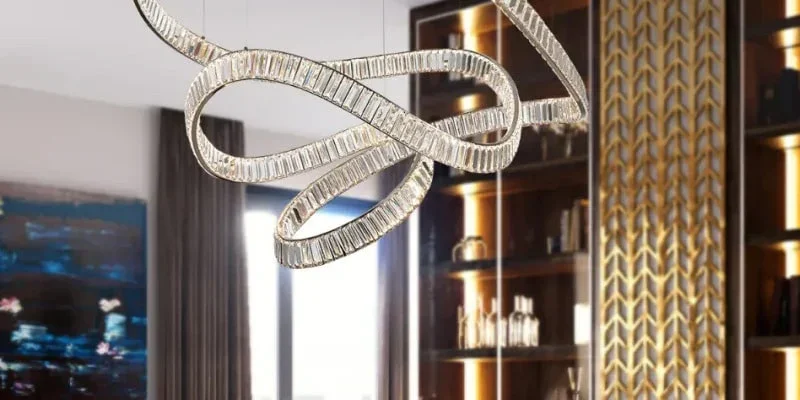
In high-end villa projects, lighting fixtures are more than functional—they define ambiance, reflect style, and symbolize taste. Custom lighting can be tailored to the space, furniture layout, and overall design theme, allowing each fixture to interact with architectural elements and create unique light and shadow effects. Choices in materials, color temperature, brightness, and placement directly affect the final presentation and client experience.
In this article, NewstarLamp shares villa lighting inspiration, material selection guidance, layered lighting layout strategies, and practical procurement and installation tips, helping project buyers, designers, and developers make smarter, cost-effective decisions in luxury lighting projects.
1. Lighting Inspiration Sources
- Nature-inspired: Materials like wood, stone, and resin echo the natural essence of the space, creating warm and comfortable lighting. Natural surfaces add depth and create unique reflections and refractions.
- Art & Sculpture: Sculptural lighting serves as both illumination and artwork. Chandeliers, wall sconces, and table lamps with flowing, geometric, or organic shapes become visual focal points.
- Architectural Features: Lighting can integrate with ceilings, stairs, walls, or columns to enhance spatial depth and highlight architectural details.
- Local Culture & Style: Tailor fixtures to the villa’s regional context—Mediterranean villas may use blue-and-white color schemes, while Eastern-style villas can incorporate wood carvings or paper shades
2. Material Selection
Material selection affects lighting quality, tactile feel, durability, safety, and maintenance costs. Common materials in high-end villa projects include:
- Metal (Copper, Stainless Steel, Aluminum): Strong load-bearing, ideal for large chandeliers and decorative lighting; supports premium finishes such as PVD plating, powder coating, brushing, or anodizing.
- Resin (PU/Epoxy): Suitable for complex shapes, sculptural fixtures, or diffusers; lightweight with soft light, ideal for living rooms, bedrooms, or staircases.
- Acrylic / Glass: Acrylic is lightweight and easy to mold for large shades; glass offers scratch resistance and excellent light transmission for high-end visual appeal.
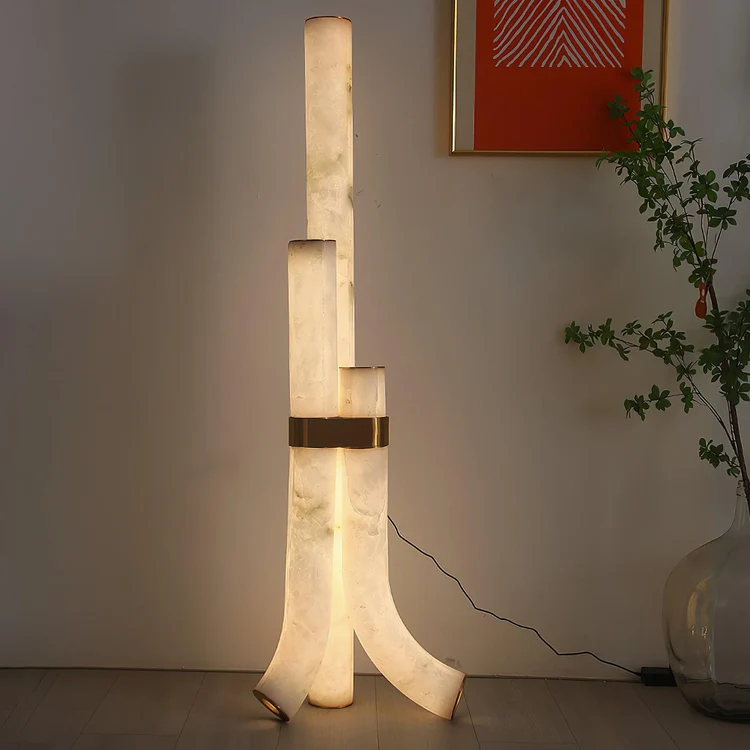
- Natural Stone: Marble, onyx, etc., provide unique textures and premium feel; ideal for lobbies or display areas, though heavy and costly.
- Composite Materials: Combining metal frames, resin sculptures, and acrylic diffusers balances aesthetics, structure, and cost.
More about the material selection, you can view the detail in the link below:
Choosing the Right Material for Custom Lighting: A Guide for Designers and Buyers

3. Lighting Layout & Ambiance
Villa lighting often uses layered design:
- Ambient Lighting: Provides general illumination for comfort and brightness.
- Accent Lighting: Highlights artwork, furniture, or architectural details such as paintings, sculptures, or stair railings.
- Decorative Lighting: Fixtures themselves serve as decor, including chandeliers, wall sconces, or sculptural lights.
Consider color temperature (warm, neutral, cool), brightness, fixture placement, and reflective surfaces to ensure comfort and visual balance.

4. Practical Design & Installation Tips
- Measure structural support and installation requirements for large fixtures to ensure safety.
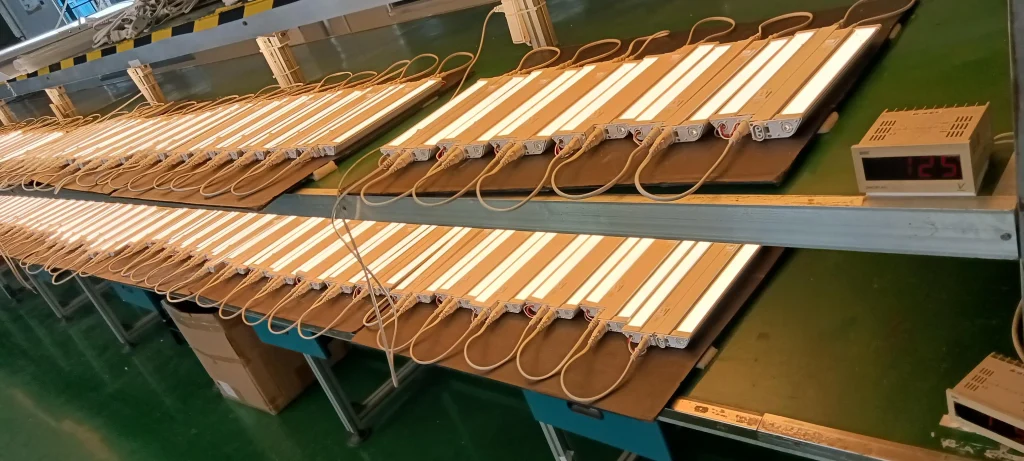
- Test materials, color consistency, and light distribution during sample stages.
- Resin fixtures should include UV stabilizers and undergo aging tests to prevent yellowing or cracking.
- For seaside or outdoor projects, prioritize 316 stainless steel or corrosion-resistant metal components.
- Design fixtures for easy disassembly and maintenance to reduce long-term costs.
5. Conclusion
Custom lighting in villas enhances not only functionality but also serves as an extension of art and design. Thoughtful material selection, layered lighting, fine craftsmanship, and proper installation ensure that each fixture tells a story, offering clients a unique experience and long-lasting value.